

Let’s get your yard ready for summer!
Three things to do this spring for a proactive approach to irrigation, mulch, and soil health to protect your investment, reduce water waste, and build long-term resilience.
Spring Deals
Save 10% when you book all three services
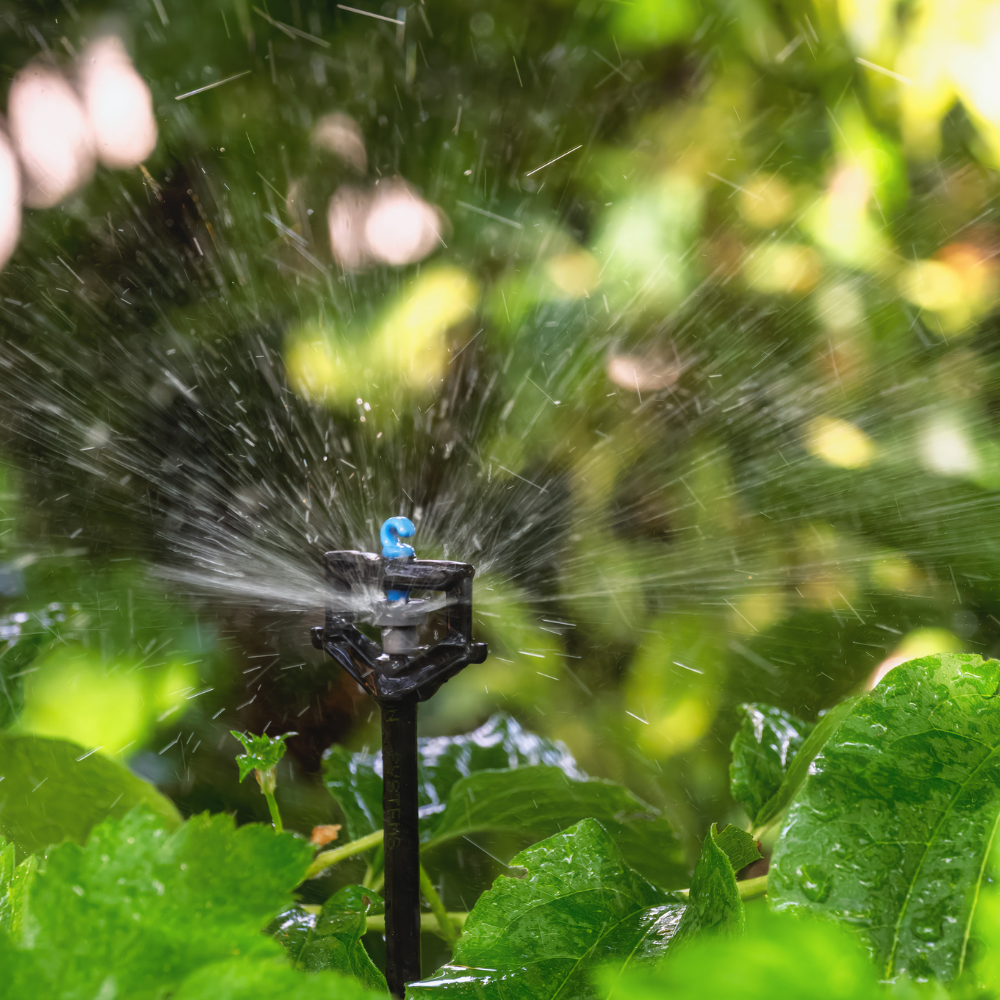
Keep your system running efficiently with a seasonal inspection—checking for leaks, optimizing pressure and coverage, improving drip performance, and supporting healthier plants while reducing water waste and costs.
1. Irrigation Inspection
2. Soil Amendment &
Compost Application
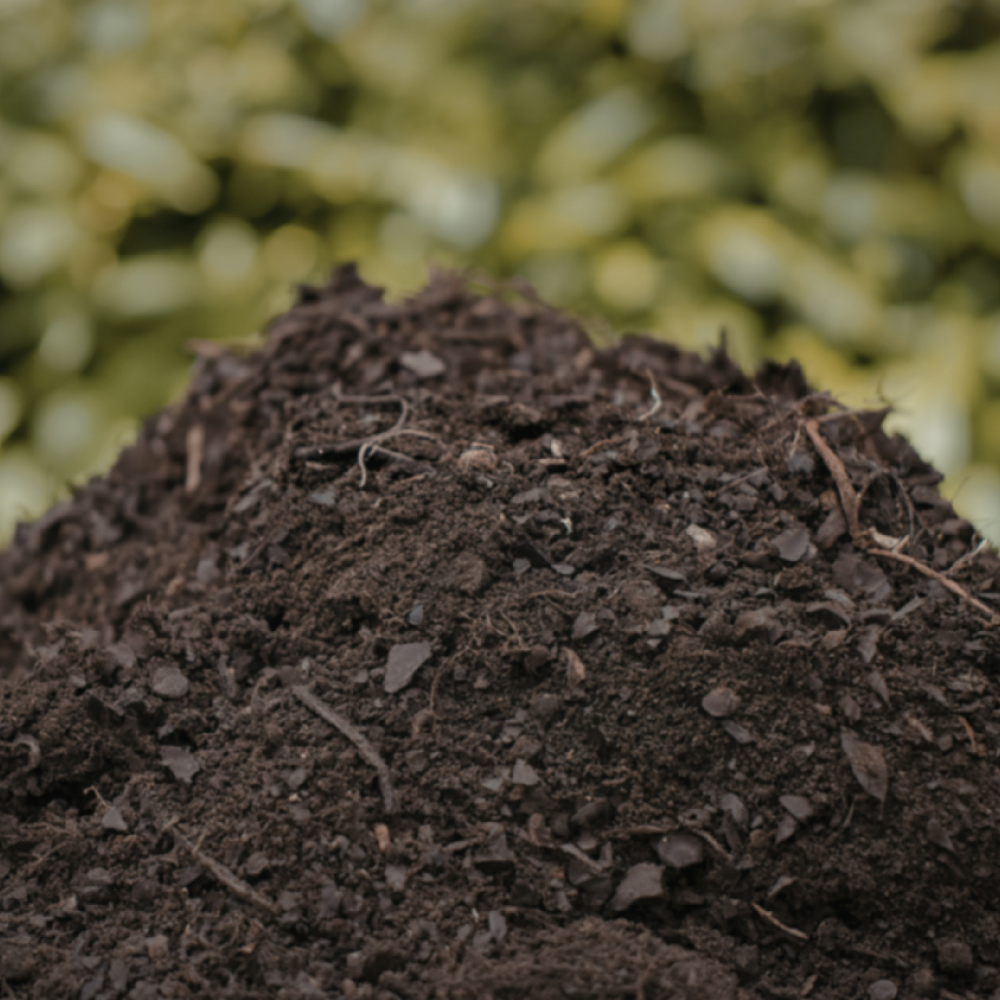
Healthy soil is a living system. Compost amendments improve structure, increase water retention, reduce erosion, and support stronger, more resilient plant growth.
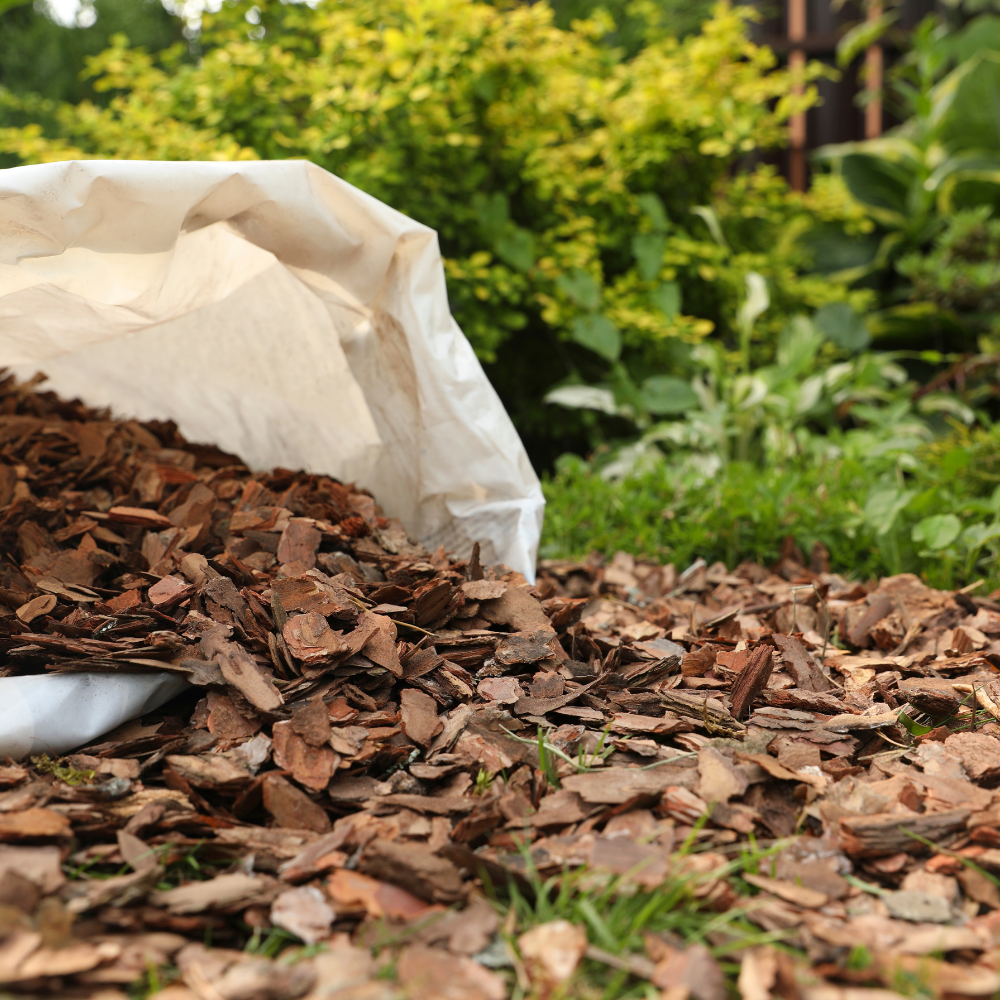
If soil is exposed, it’s losing moisture and life. Mulch acts as protective infrastructure—retaining water, reducing weeds, and improving soil health over time.
3. Mulch Refresh
Protect Water. Prevent Costly Repairs. Improve Efficiency.
1
Irrigation Inspection
Your irrigation system works hardest during the spring and summer months. A seasonal inspection ensures:
No leaks or broken lines wasting water underground
Proper pressure and spray coverage
Efficient drip performance for root zones
Reduced water bills
Healthier plant material through consistent hydration
In Marin, irrigation accounts for roughly one-third of residential water use. Small inefficiencies can lead to thousands of gallons lost each month. A focused seasonal inspection helps prevent damage before peak summer demand.
Soil Amendment / Compost Application
2
Build Living Soil. Increase Resilience. Store Water.
Healthy soil is a living ecosystem. Research shows compost amendments can:
Increase soil carbon content by up to 50%
Improve nitrogen availability
Increase aggregate stability (stronger soil structure)
Reduce erosion by as much as 86%
Increase water retention capacity
For every 1% increase in soil organic matter, an acre can store an additional 20,000 gallons of water.
In regions like ours, where hydroclimate extremes are increasing, stronger soil structure improves:
• Drought resistance
• Flood resilience
• Fire resilience
• Long-term plant vitality
Compost is one of the most effective ways to measurably improve soil health.
Mulch Refresh
3
Regulate Soil Temperature. Retain Moisture. Suppress Weeds.
Mulch is one of the simplest and most powerful tools for landscape health.
A 2–3" layer of quality mulch:
Reduces evaporation and water demand
Stabilizes soil temperature during heat swings
Suppresses weed growth
Prevents erosion during heavy rain
Improves soil structure as it naturally breaks down
If bare soil is visible, your landscape is losing moisture and biological activity. Mulch is not decorative — it is protective infrastructure for your soil.
Schedule Your Spring Services
Sign up to have DFLC support a healthy, vibrant landscape this spring.