The Unexpected Power of Soil Health
Healthy soil is the foundation of resilient, beautiful landscapes. Learn how compost and soil amendments strengthen plant health, improve water retention, and support long-term landscape vitality.

Why Soil Health Matters
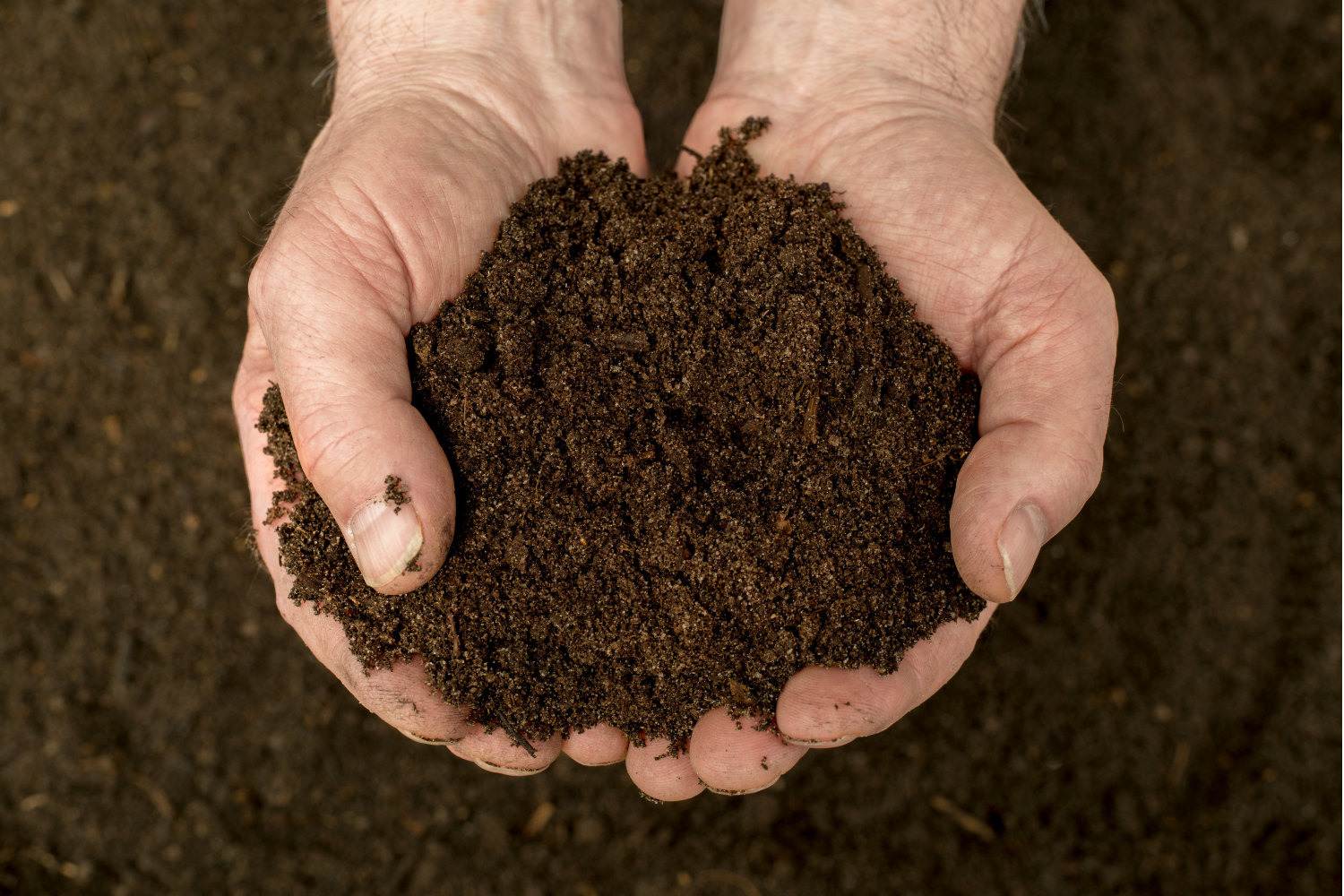
Is your landscaping alive? According to the Natural Resources Conservation Service, there are more microorganisms in a teaspoon of healthy soil than there are people on Earth. All that life—and the byproducts of their activity—helps soil feed plants, hold moisture during drought, resist erosion in heavy rains, and even remove carbon dioxide from the air.
Healthy soil is not just dirt. It’s a living system, and the vitality of your landscape depends on it.
As landscape specialists who design, build, and maintain landscapes across Marin County and the North Bay, we think about sites in the long term. What does this landscape need today? What will it need tomorrow?
Landscapes Are Facing New Challenges
Northern California landscapes are experiencing increasingly extreme weather patterns, sometimes referred to as Hydroclimate Whiplash.
This includes:
• Atmospheric rivers bringing heavy rain
• Long periods of drought and heat
• Increased wildfire risk
• Rapid swings between wet and dry seasons
For properties throughout Marin County — particularly hillside landscapes — these conditions place tremendous stress on soil systems.
That’s why soil health has become one of the most important foundations of sustainable landscaping.
A Living World Beneath Your Feet
Healthy soil is teeming with life. A square yard of healthy soil contains roughly 2.75 pounds of living organisms.
These organisms include:
• beneficial bacteria
• fungi
• earthworms
• microorganisms that break down organic matter
Together they form the biological system that supports plant growth and soil stability.
Fungal networks bind soil particles together, while earthworms create tunnels that improve drainage and oxygen flow. As organic matter decomposes, natural compounds strengthen soil structure.
Something remarkable happens when these biological processes are active:
soil becomes both stronger and better at holding water.
The NRCS reports that every 1% increase in organic matter allows soil to retain up to 20,000 additional gallons of water per acre.
Signs Your Soil May Need Improvement
Your landscape may benefit from soil amendment or compost application if you notice:
• Plants struggling to thrive
• Soil that feels compacted or hard
• Water pooling or poor drainage
• Sloped areas prone to erosion
• Higher irrigation needs
• Declining plant vitality
Improving soil structure and organic matter can dramatically change how landscapes perform.
The Role of Compost in Soil Health
Adding nutrient-rich compost is one of the most effective ways to improve soil health.
Compost helps:
• improve soil structure
• increase microbial activity
• support deeper root systems
• improve water retention
• reduce erosion
• promote long-term plant vitality
For many Marin County landscapes, compost application can dramatically improve the resilience and sustainability of gardens.
DFLC Soil Amendment & Compost Application
At Dan Fix Landscape Construction Co., soil health is part of our long-term landscape care philosophy.
Our soil amendment and compost application services help restore the biological life that supports healthy landscapes.
Typical compost treatments range from 2–3 inches of application, depending on soil conditions and planting areas.
Service Rate:
$75/hour depending on property size and scale, plus materials.
Our team evaluates soil conditions and applies compost strategically to strengthen landscapes from the ground up.
Start From the Ground Up
The most resilient landscapes begin with healthy soil.
Whether your goal is to improve plant vitality, stabilize slopes, reduce water use, or strengthen your garden for changing weather patterns, it all starts beneath the surface.